
Romance fraud costs UK victims £102 million in a year as reports surge by nearly a third
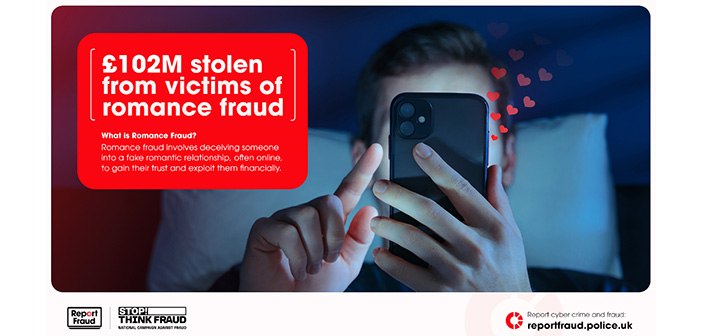
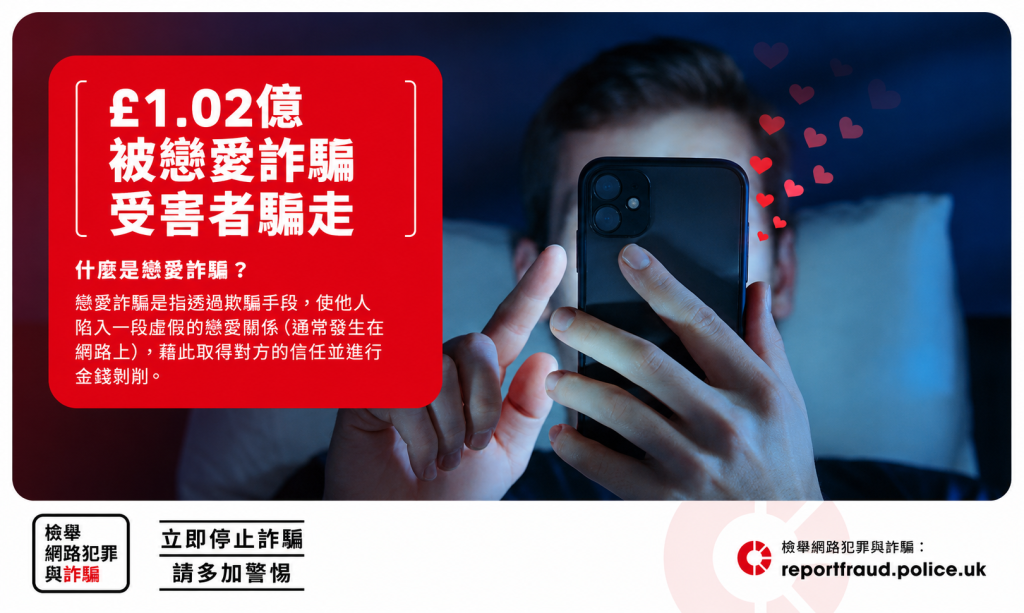
Victims of romance fraud had more than £102 million stolen from them last year, as criminals continue to exploit online relationships to manipulate people into transferring money, new figures have revealed.
Data shows 10,784 reports of romance fraud were made to Report Fraud last year – a 29 per cent increase compared with 2024.
Police believe this rise is partly driven by increased awareness and confidence in reporting, but it also highlights the ongoing scale and impact of a crime that often unfolds over weeks or months.
Overall losses equate to almost £280,000 every day, with individual victims having an average of £9,500 stolen from them. In some cases, reported individual losses reached as high as £1 million.
Romance fraud typically involves sustained contact, with offenders carefully building trust and emotional attachment with the victim before creating a situation where the victim feels they should send them money, often using stories linked to emergencies, investment opportunities or plans to meet in person.
The Metropolitan Police Service area recorded the highest total of losses at £12.1 million. This was followed by Hampshire (£3.45 million), Essex (£3.2 million), Thames Valley (£3.18 million) and Devon and Cornwall (£3.1 million), reflecting the nationwide nature of this offending.
“Romance fraud is particularly harmful because it targets trust and emotional connection. Offenders will often spend significant time building what appears to be a genuine relationship before attempting to exploit their victim financially.
“While the monetary losses can be substantial, the emotional impact is often just as damaging. This crime can affect anyone, and by reporting it, victims help us build intelligence, disrupt offenders and protect others from harm.”
Analysis shows people aged 55 to 74 suffered the greatest financial losses, accounting for almost half of the total amount stolen. Although men submitted a higher number of reports overall, women experienced greater financial losses, making up just over 40 per cent of the total value reported.
Romance fraud remains closely linked to online platforms, particularly social media and dating sites, where offenders can easily create convincing false profiles. Investigators are also seeing increased use of AI generated images and messages to support fraudulent identities. In many cases, romance fraud is linked with fake investment opportunities, including cryptocurrency, in hybrid frauds which further increase the financial risk to victims.
As part of its annual romance fraud campaign, police is urging the public to remain cautious when forming relationships online and to be alert to warning signs:
• Individuals who develop relationships very quickly or express strong feelings early on
• Excuses not to meet in person or to avoid live video calls
• Wanting to send money, cryptocurrency or gift cards to someone you have not met face to face
• Talk of investments, medical emergencies or travel costs
• You feel you are unable to or don’t want to talk about the relationship with friends or family
• The person you are communicating with doesn’t like it when you use ways to protect yourself from fraud
Make sure you:
• Speak to a trusted friend or family member if you want to send money
• Reverse-image search profile and other photos you are sent
• Actively let the person know you are fraud aware and will be protecting yourself (if they don’t like it, this is a key warning sign)
• If you want to move money, listen to your bank and follow their advice to stop if they tell you they are concerned.
As part of its ongoing work to tackle romance fraud, the City of London Police has collaborated with Associate Professor of Criminology and Forensic Linguist, Dr Elisabeth Carter. This collaboration has been instrumental in strengthening understanding of the language used in romance fraud and in shaping clearer, more effective advice for victims. The City of London Police looks forward to continuing this work as part of its wider efforts to prevent romance fraud and support those affected.
Anyone who believes they may have been targeted is encouraged to report it to Report Fraud at www.reportfraud.police.uk or by calling 0300 123 2040. If money has already been transferred, they should contact their bank immediately. In Scotland, victims of fraud and cybercrime should report to Police Scotland on 101. Every Report Counts.
Visit Stop! Think Fraud for more information on types of fraud and ways to protect yourself from them. visit stopthinkfraud.campaign.gov.uk
